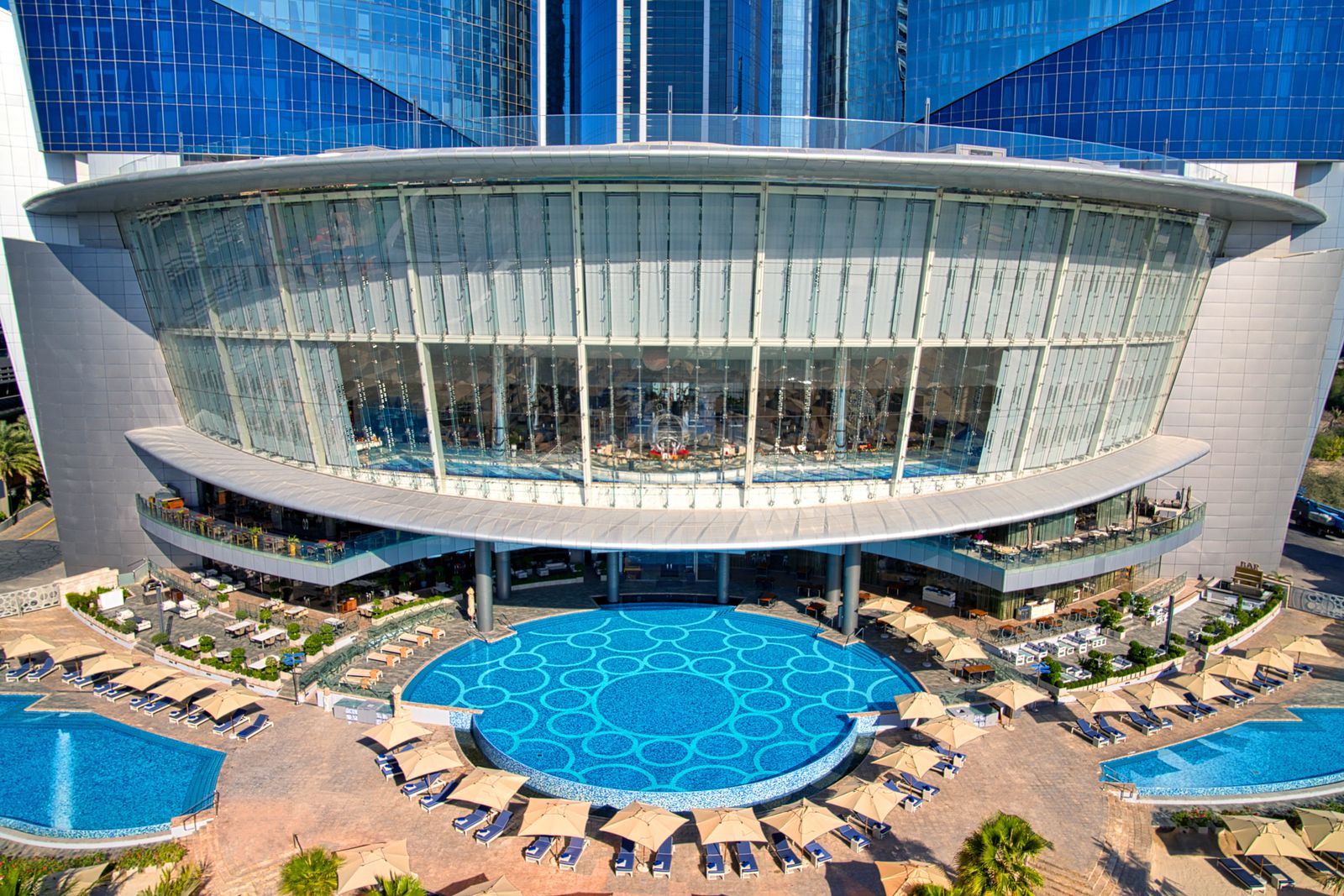
Conrad is Hilton's service-led luxury brand, defined less by a coherent design language than by the people who run its front desks, lounges, and breakfast floors. Founded in 1985 and named for Hilton's founder, the brand was built to give the parent company a contemporary five-star option positioned above Waldorf Astoria's heritage register and below the bespoke ambitions of LXR. Forty years on, that positioning still holds: forty hotels across twenty-one countries, priced from $72 at Conrad Dubai to $2,711 at Conrad Nashville, with a portfolio that leans corporate-urban and earns its keep through Executive Lounges, named staff, and breakfast operations that competitors routinely lose to.
The numbers describe the brand honestly. Value scores 6.9 across the portfolio — the strongest category average — while ambiance and design lag at 3.8, the clearest weakness. Only four of forty hotels reach Exceptional or Outstanding status, led by Conrad Maldives Rangali Island and Conrad Osaka, and a meaningful tail sits in the Solid tier, where aging hardware in Shanghai, Las Vegas, and Guangzhou drags the average. Conrad is not a design brand. It is a hospitality brand that occasionally lands in a beautiful building.
What ties the roster together is a service register that reads warm and professional rather than choreographed or theatrical. The lounges at Conrad Dubai, Conrad Shenyang, Conrad Seoul, and Conrad Washington DC do real work. Breakfast is a recurring strength from Algarve to Makkah to Dublin. When Conrad disappoints, it is almost always the room, the pool, or the corridor carpet — rarely the person checking you in. For Hilton loyalists and business travelers, that trade is the entire proposition.
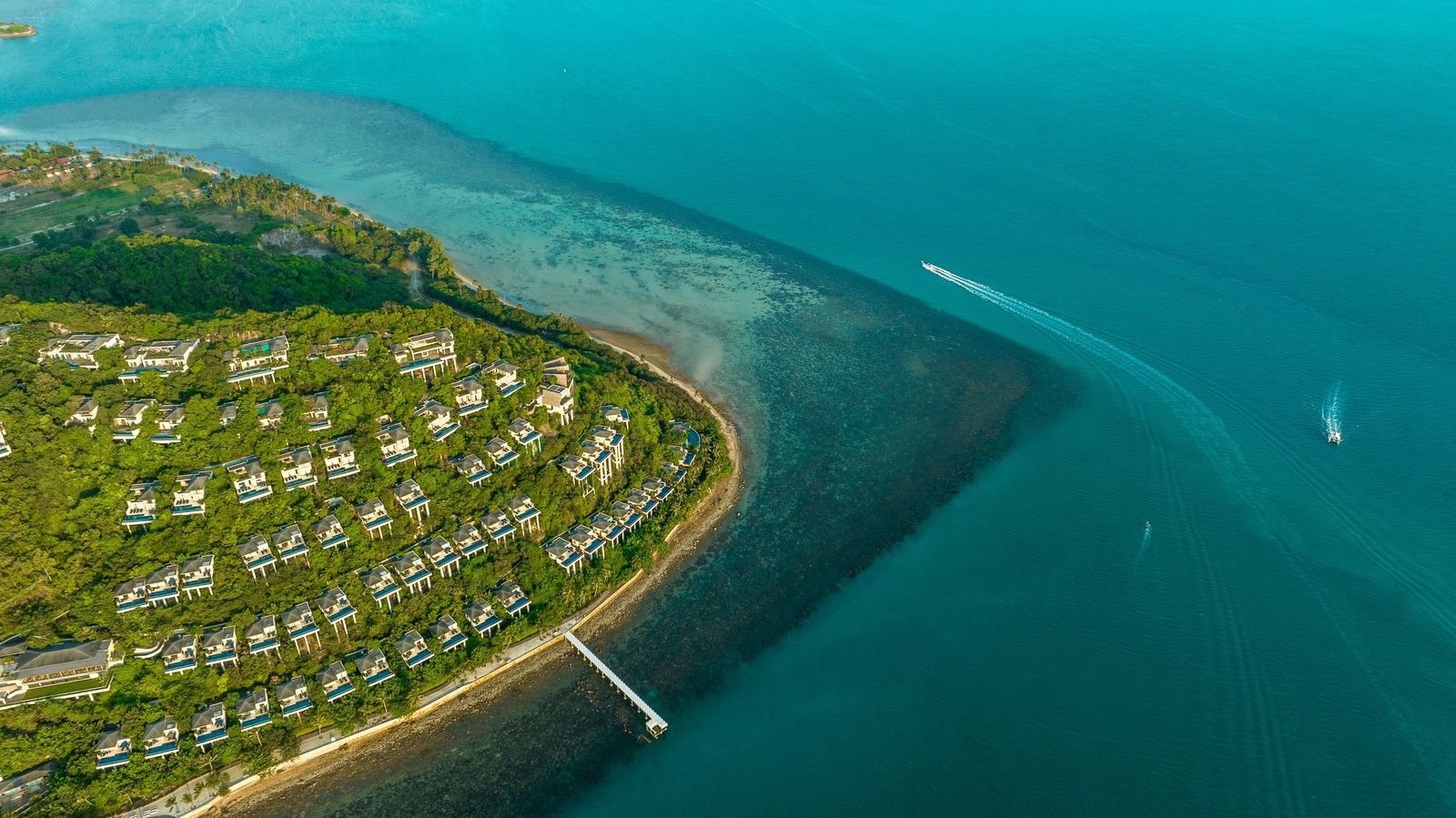
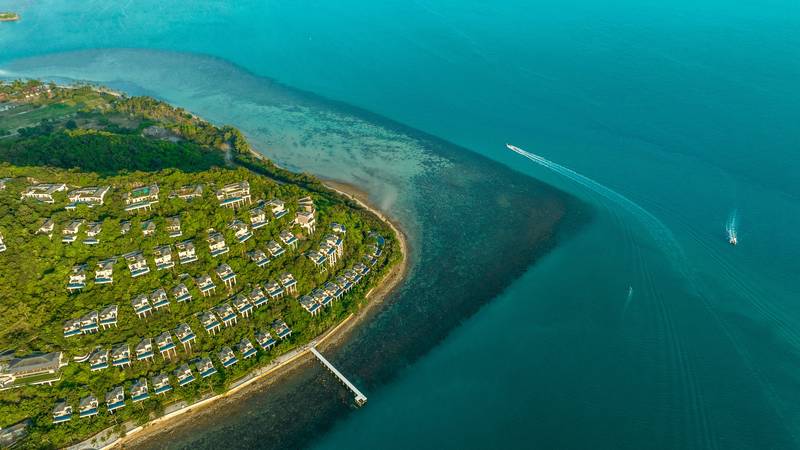
Conrad is best for travelers who want service to do the heavy lifting. Across the portfolio, the through-line is people: the lounge teams in Dubai, Abu Dhabi and Seoul; the breakfast operations in Algarve, Makkah and Dublin; the named staff who turn merely competent hardware into a stay worth repeating. This is a brand for Hilton Honors loyalists cashing in status, business travelers who measure a hotel by the Executive Lounge and the 7 a.m. egg station, and value-led luxury buyers who would rather pay $225 in Shenzhen or $127 in Shenyang for a warm, well-run room than $700 for a fashion statement. It also rewards a specific kind of resort guest — divers at Rangali, sunset-villa romantics at Koh Samui, multi-generational families at Punta de Mita — who care more about the water and the staff than the lobby's Instagram metrics. Value scores 6.9 across the portfolio, the highest of any category, and that is the honest sell.
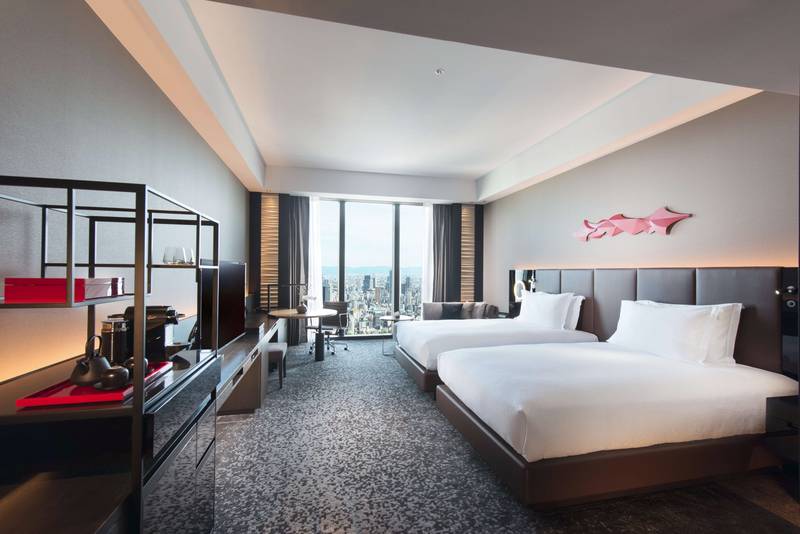
Look elsewhere if design and ambiance are the reason you book luxury. The portfolio averages 3.8 on ambiance, and it shows: rooms at Conrad Tokyo, Conrad Hong Kong, Conrad Bali and Conrad Macao are visibly aged, and even the flagship Maldives water villas need a refresh. Only 4 of 40 hotels reach Exceptional or Outstanding tier, so travelers who expect every property under a brand name to perform at flagship level will find the variance frustrating — Conrad Las Vegas and Conrad Shanghai sit in the bottom 2%. Skip the brand if you want Aman-grade design, Rosewood-grade storytelling, or the kind of fashion-forward interiors that justify a $2,000 rate on aesthetics alone.
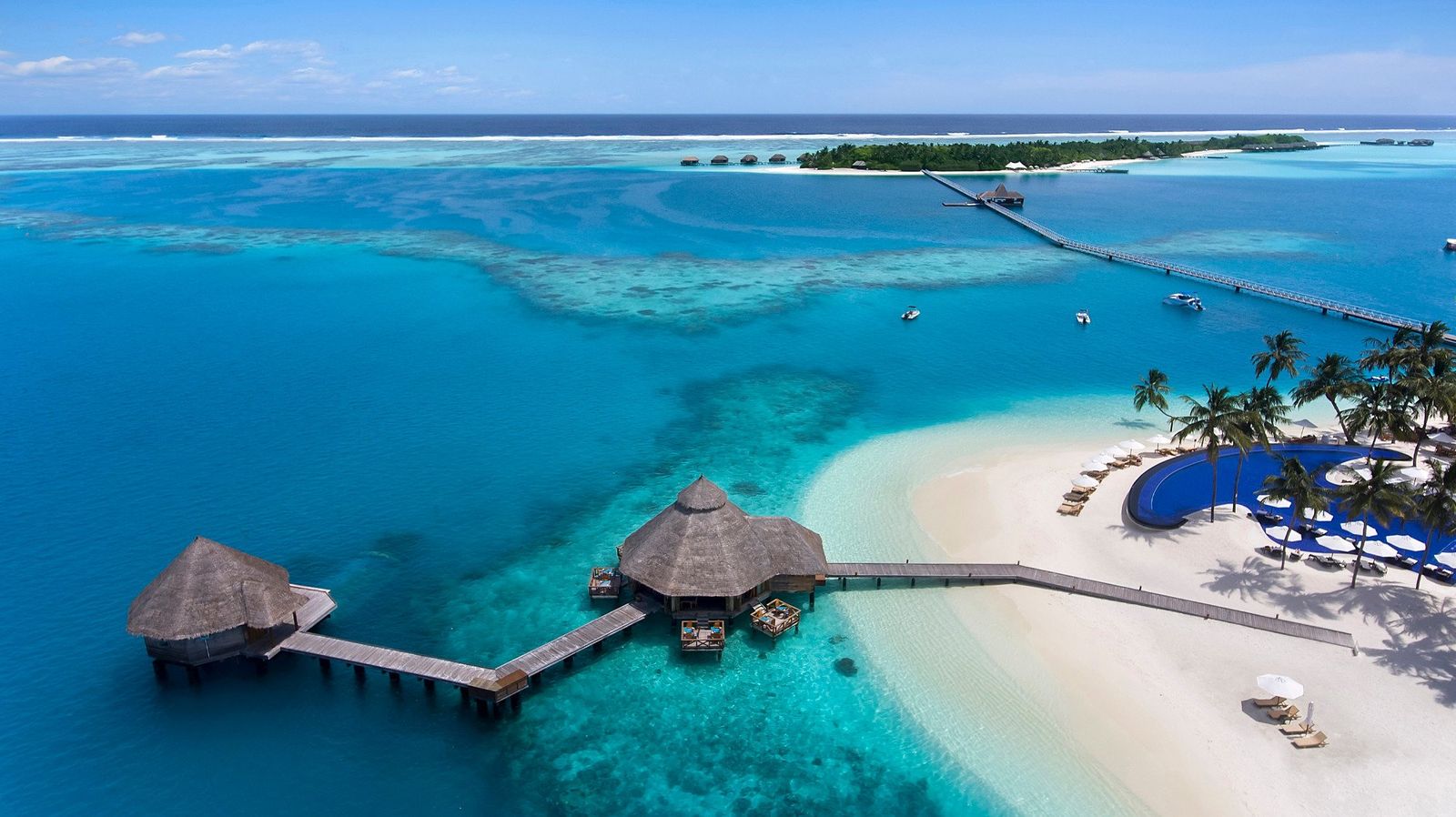
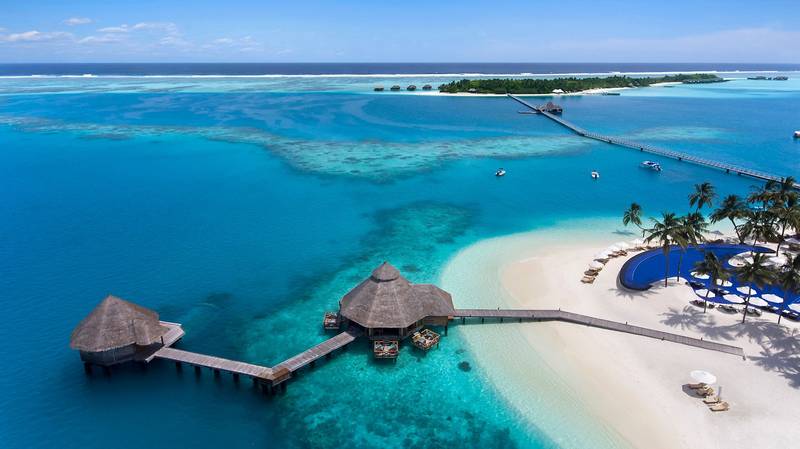
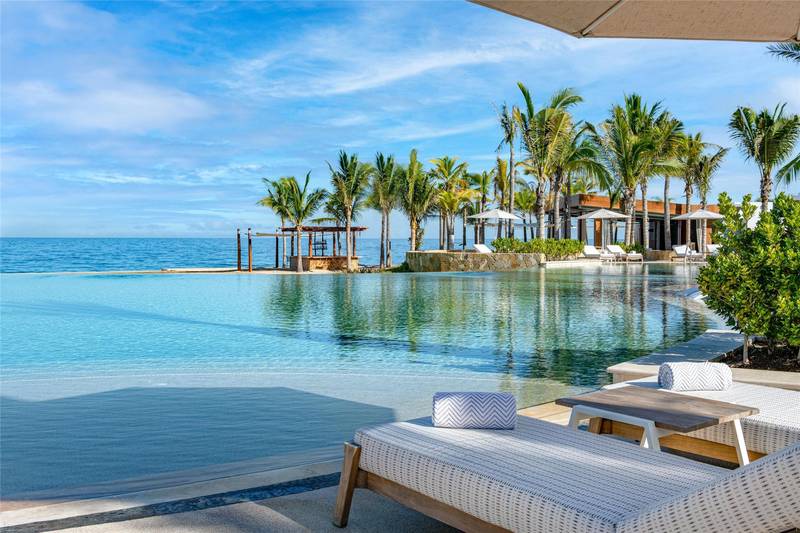
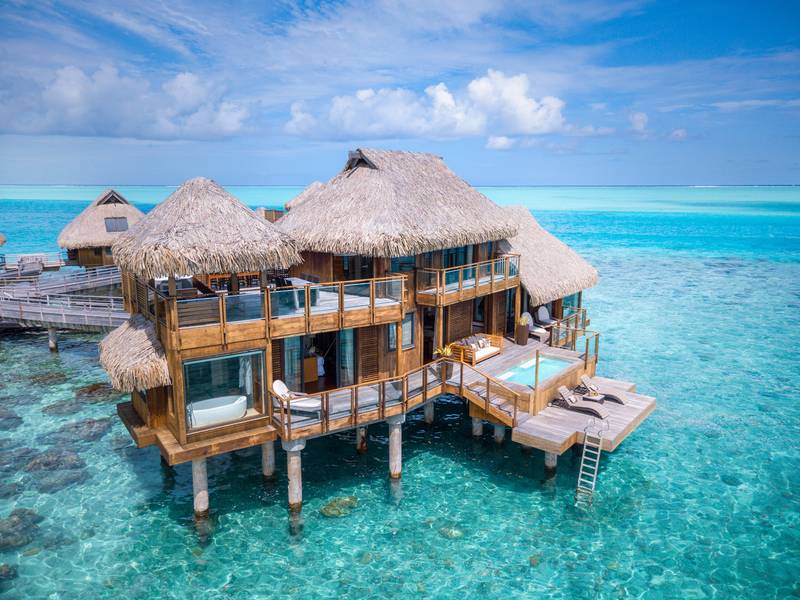
The best Conrad hotel in our index is Conrad Maldives Rangali Island, ranked Top 10% (Exceptional). It earns the flagship slot not on any single attribute but on completeness — a rare thing in the Maldives, where most resorts excel at one or two disciplines and concede the rest. Here, the service culture is the tell: staff remember names, dietary preferences, and dive certifications across multi-week stays, and the consistency holds whether you're in a Beach Villa or one of the Premier Water Villas across the bridge.
The two-island layout remains the property's structural advantage and still has no real peer in the country. One island skews family-forward and social; the other is adults-only and quiet. Guests move freely between them, which means a single booking covers two distinct holidays. Diving is the other category-of-one draw — the house reef and surrounding sites justify the resort's reputation among serious divers, and the in-house operation is run at a level most Maldivian resorts outsource and dilute.
The honest caveats are hardware and wallet. The water villas are due a refresh; finishes and bathrooms read closer to 2015 than 2025, and the resort is priced as if the renovation has already happened. On-island spend compounds quickly — wines, excursions, and the seaplane transfer all sit at the top of the market. For divers, returning Hilton loyalists chasing points value against a $563 entry rate, and multi-generational families who need the dual-island flexibility, it remains worth the outlay.
The cheapest Conrad hotel is Conrad Dubai from $72/night. At that number, you're buying into one of the most reliable service cultures in the brand: an Executive Lounge that competing Dubai five-stars can't match, a breakfast that ranks among the best in the city, and a metro-door perch on Sheikh Zayed Road that puts DWTC and downtown within easy reach. The hotel ranks Top 46% of the portfolio, Excellent tier — better than its rate suggests.
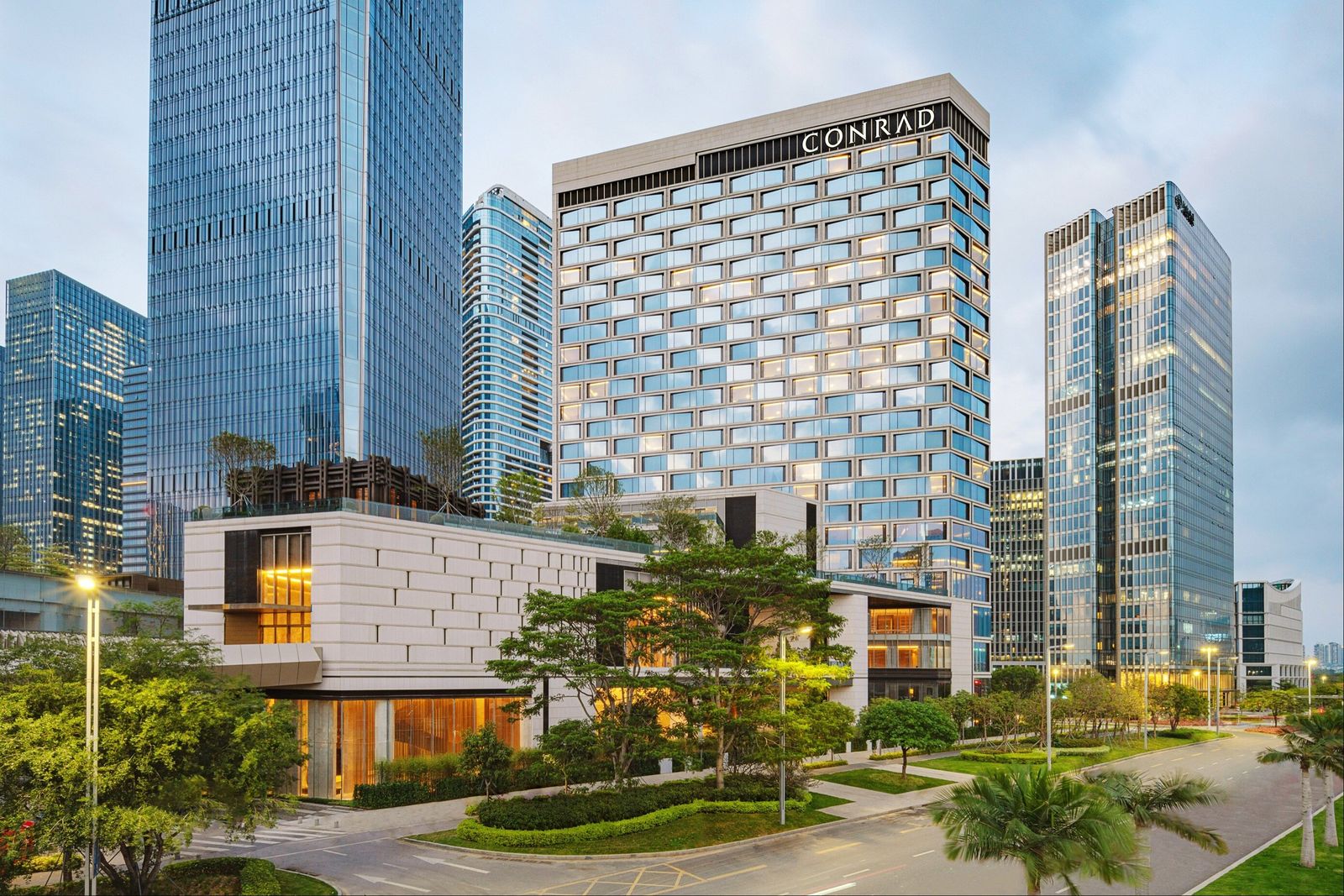
What you give up is the hardware. Rooms are aging, the pool is mid-replant, and nothing about the design will land on a mood board. This is not the Conrad of Yabu-designed Shenzhen or the architectural drama of Tulum. It is a calm, well-run business hotel that happens to be priced like a midscale on a soft week.
What you keep is the part Conrad does best across the portfolio: warm, professional service and a serious lounge-and-breakfast operation. For Hilton loyalists, DWTC delegates, and travelers who measure a stay by the front desk rather than the lobby furniture, $72 is the strongest value entry point in the entire brand.
Whether Conrad is worth the price depends on whether you're booking the service culture or the design statement. The brand's strongest portfolio-wide score is value at 6.9, while ambiance and design sits at 3.8 — a gap that tells you exactly what you're buying. Conrad delivers warm, professional, lounge-led hospitality. It does not deliver fashion-forward rooms or architecturally daring interiors, and the few properties that try (Tulum, Orlando, Las Vegas) tend to fall into the bottom tiers because the service operation hasn't caught up to the hardware.
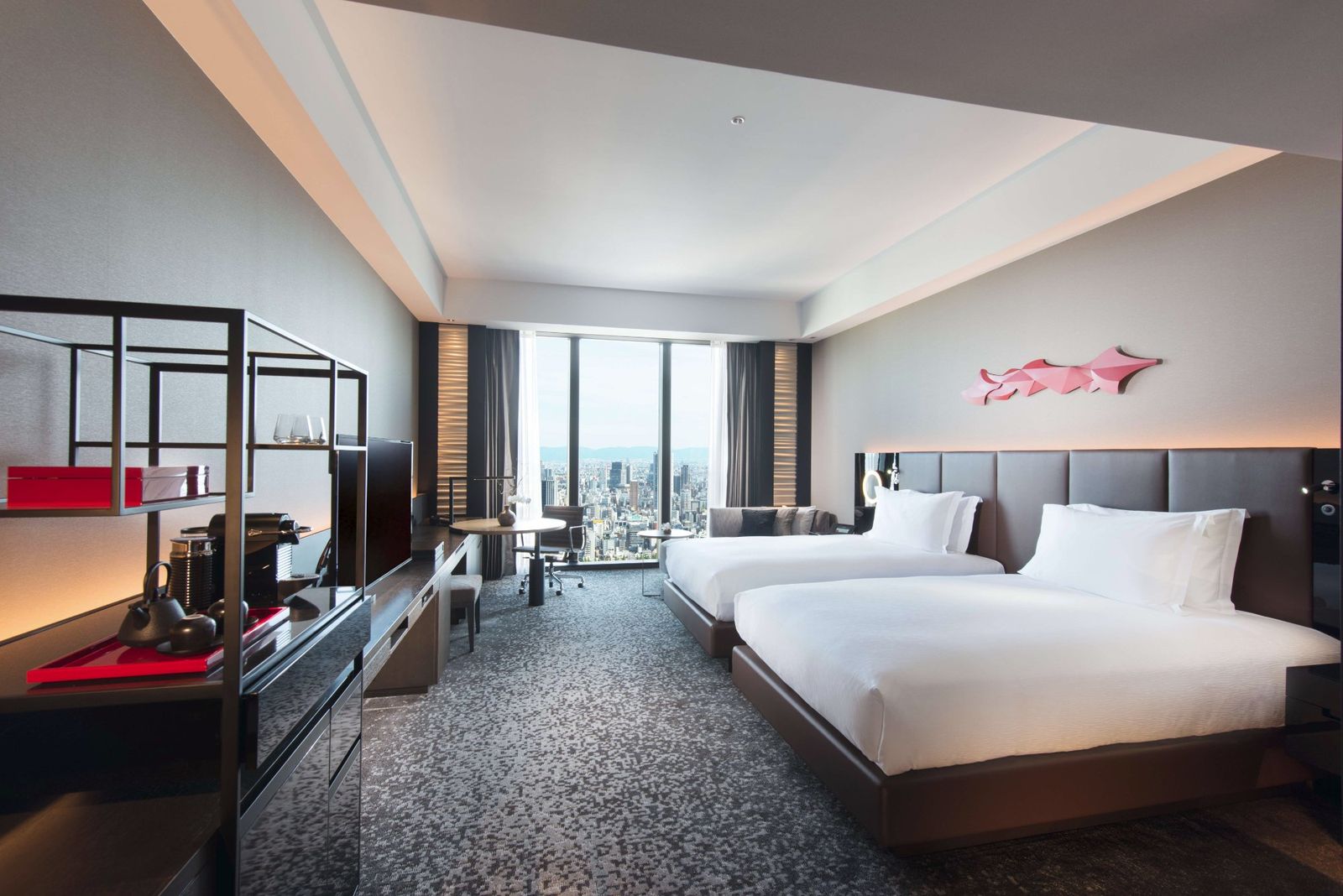
The tier math reinforces this. Only 4 of 40 hotels — Maldives Rangali, Osaka, Koh Samui, and Shenzhen — clear the Outstanding line. Twenty-eight properties sit in Very Good, Good, or Solid territory. That's not a flagship brand; that's a reliable upper-upscale brand with four genuine standouts and a long tail.
The verdict follows the price band. Below $250 a night, Conrad is consistently worth it: Conrad Dubai at $72, Bengaluru at $108, Tianjin at $102, and Punta de Mita at $181 all deliver more service polish than their rates suggest. In the $250–$500 band, be selective — Osaka and Koh Samui justify the spend; Nashville at up to $2,711 and New York Downtown do not. Above $1,000, only Maldives Rangali earns the number. Book Conrad for the Executive Lounge, the breakfast, and the front-desk team. Book a competitor when you want the room itself to be the reason you came.

- Interactive dashboard
- 365 days of nightly rates
- Day × month heatmap
- All 6 per-category reviews
- All 5 strengths & weaknesses
- Compare up to 6 hotels

Price distribution per hotel
One box per hotel, sorted by typical price. The box spans the middle range of nightly rates over the next year; whiskers reach the cheap and expensive ends.
Rating × price
Each dot is one Conrad hotel. The top half is better-rated; the right half is more expensive. Click a dot to open the hotel.