Babylonstoren
Simondium · South Africa
Prices
Next 365 nights · updated daily
Daily price line
Hover any point for the rate
Calendar heatmap
Hover any day for its rate
Reviews
Character and identity
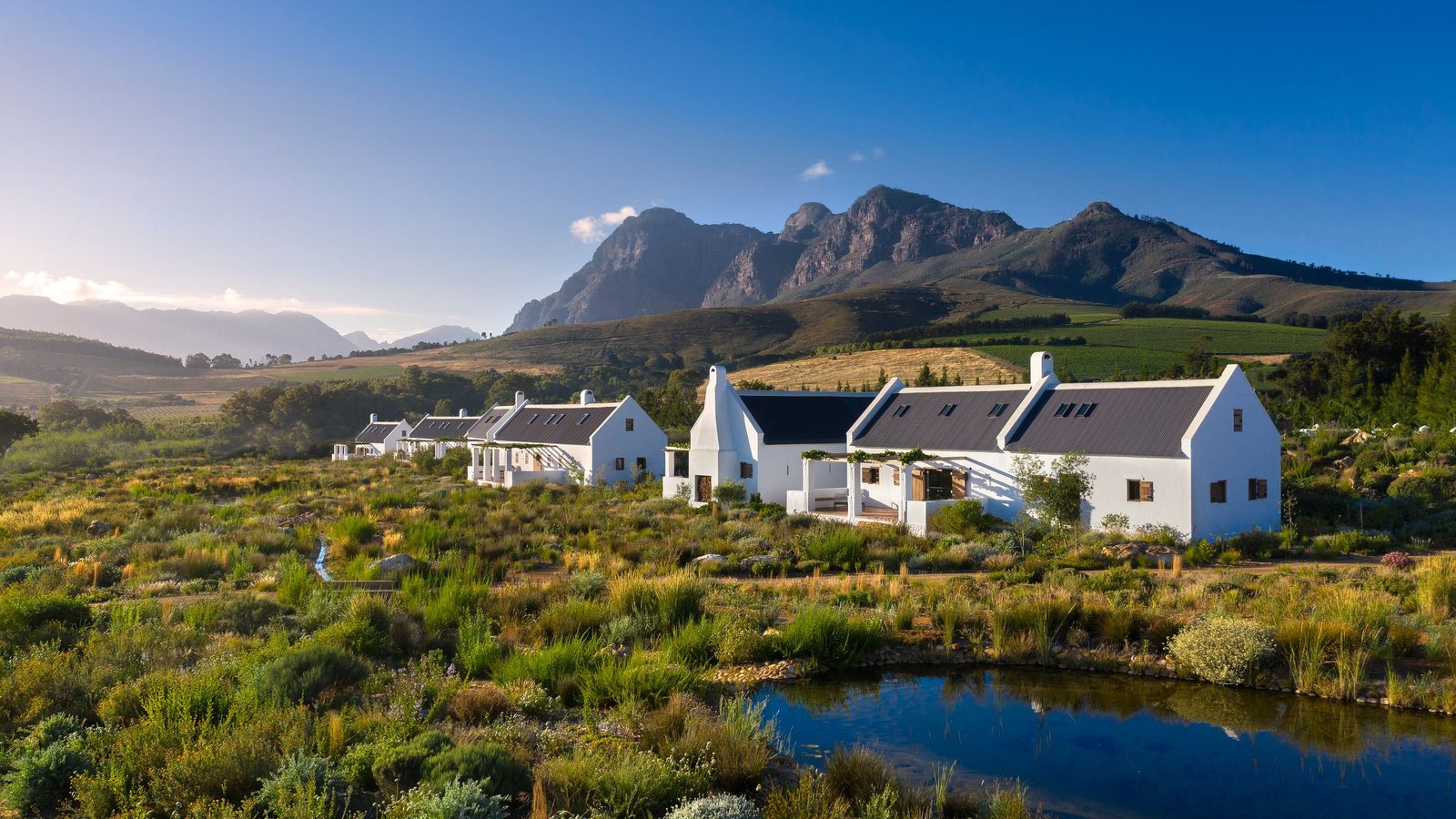
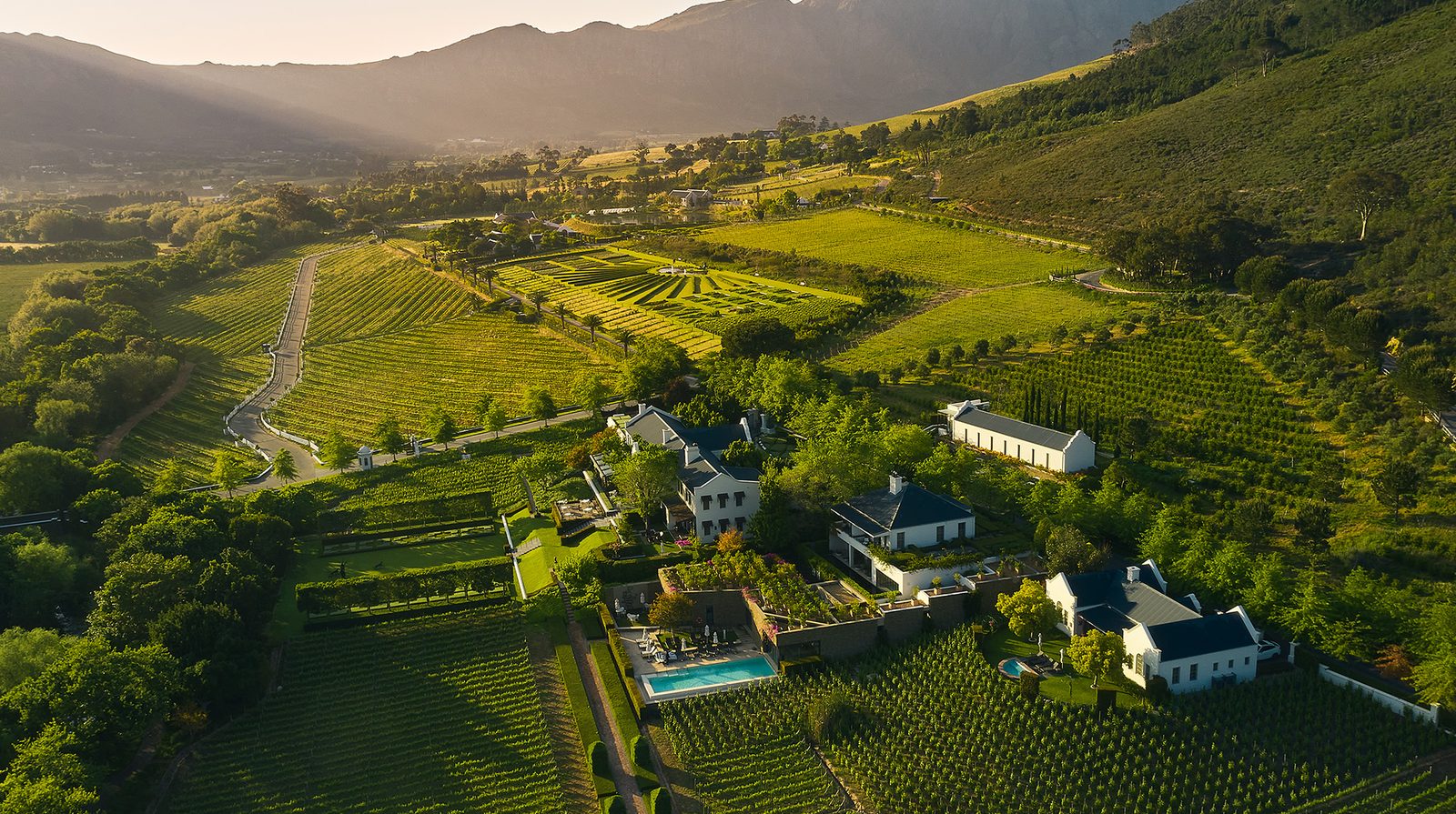
Babylonstoren sprawls across 1,070 hectares of Cape Winelands at the foot of the Simonsberg, a 17th-century wheat and wine farm reborn in 2007 under Karen Roos and Koos Bekker as something between a working farm, botanical garden, and 33-room hotel. Whitewashed Cape Dutch buildings cluster around a 12-acre garden designed by Patrice Taravella, organised in 15 productive sections threaded with water channels. Babel, set in a former cow shed, drives a farm-to-table programme of near-comic literalness, supported by an on-site dairy, cheesery, butchery, bakery, and cellars. A bamboo-built spa, gentle and unhurried service, and constant garden access set the register.
Who's it for
Best for:
Couples, design-minded travellers, and families who want their wine country stay to be a working farm rather than a manicured estate. Gardeners, food-led guests, and anyone who values seasonal cooking, biodiversity, and slow afternoons foraging citrus or cycling through fynbos will find this hard to beat.
Should look elsewhere:
Day visitors stream through the gardens, gelato shop, and farm shop, so anyone after a hushed, guests-only enclave will feel the traffic until dinner. Wheelchair users should note the uneven garden paths. Travellers wanting urban energy or beach access should look to Cape Town or the Garden Route.
Bottom line
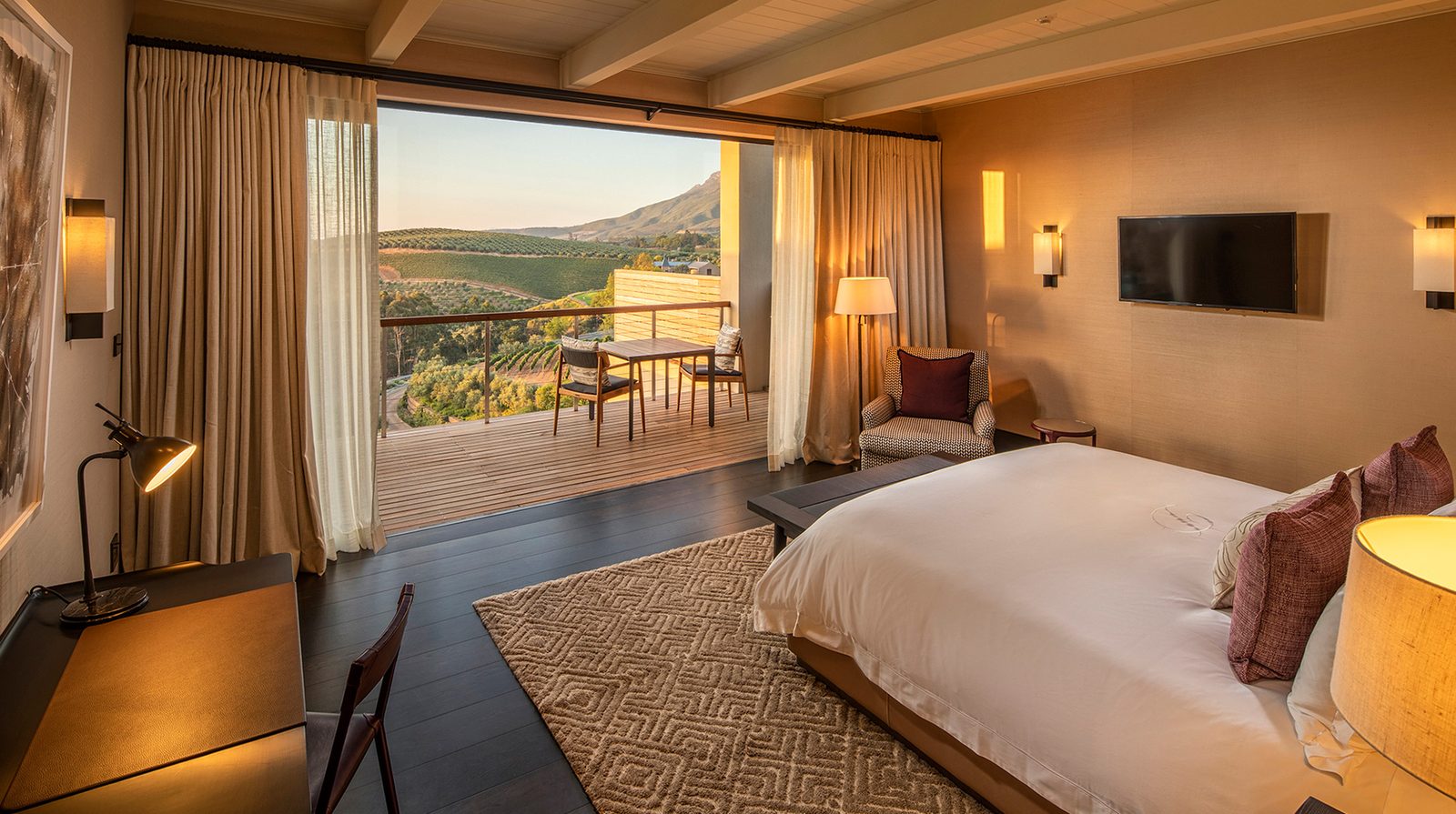
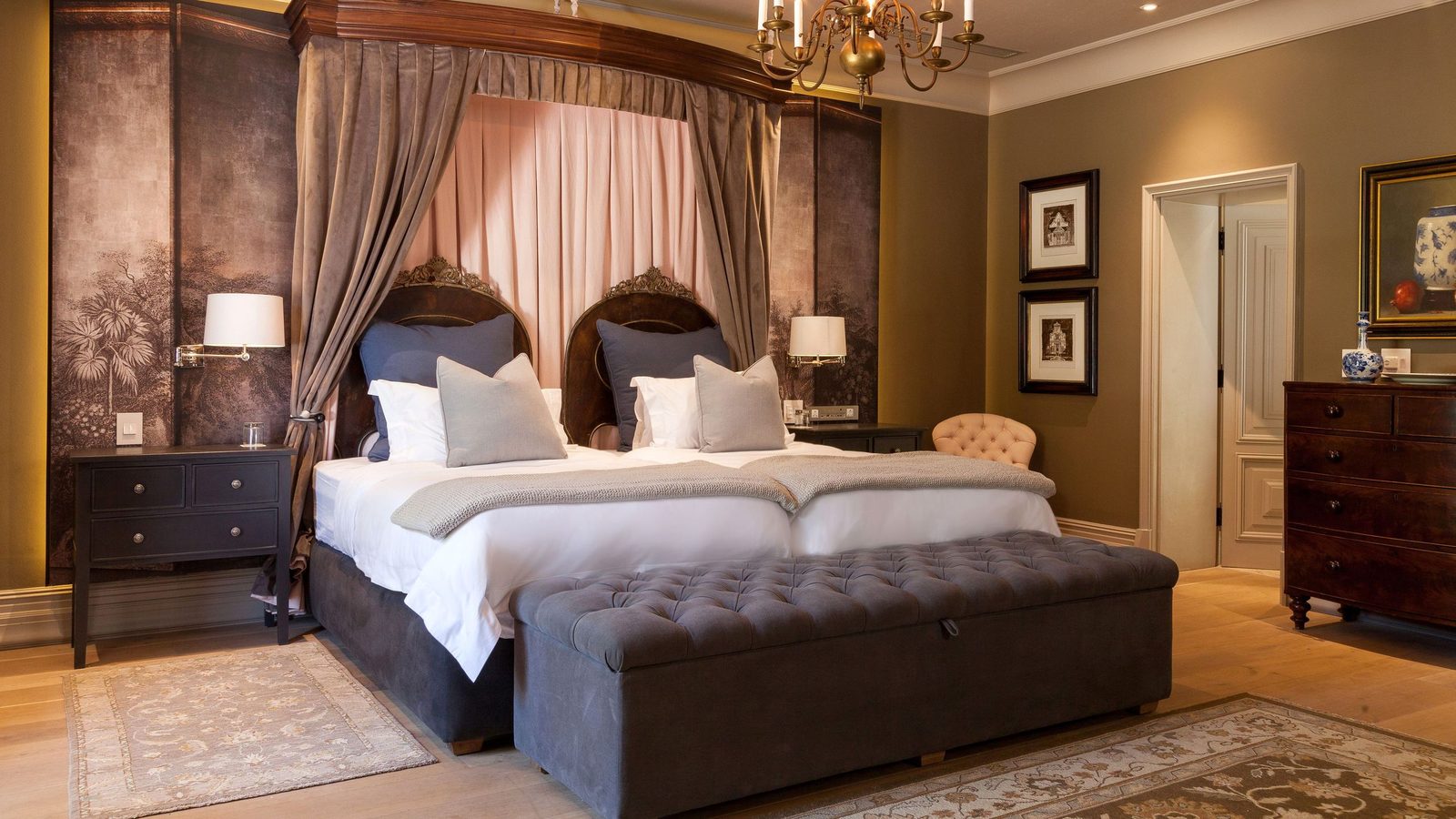
The defining fact here is that the farm is the hotel: gardens, cellars, cheesery, and kitchens form one connected organism, and your stay is essentially access to it after hours. Book a Farmhouse Suite if you want the central buzz, or one of the six Fynbos Cottages for privacy above the orchards. Stay at least two nights; one is not enough.
Location
What this place offers
- Wi-Fi
- Restaurant
- Room service
- Breakfast
- Smoke-free property
- Front desk
- Full service laundry
- Kid-friendly
- Parking
- Airport shuttle