Hotel Imperial, A Luxury Collection Hotel, Vienna
Vienna · Austria
Prices
Next 365 nights · updated daily
Daily price line
Hover any point for the rate
Calendar heatmap
Hover any day for its rate
Reviews
Character and identity
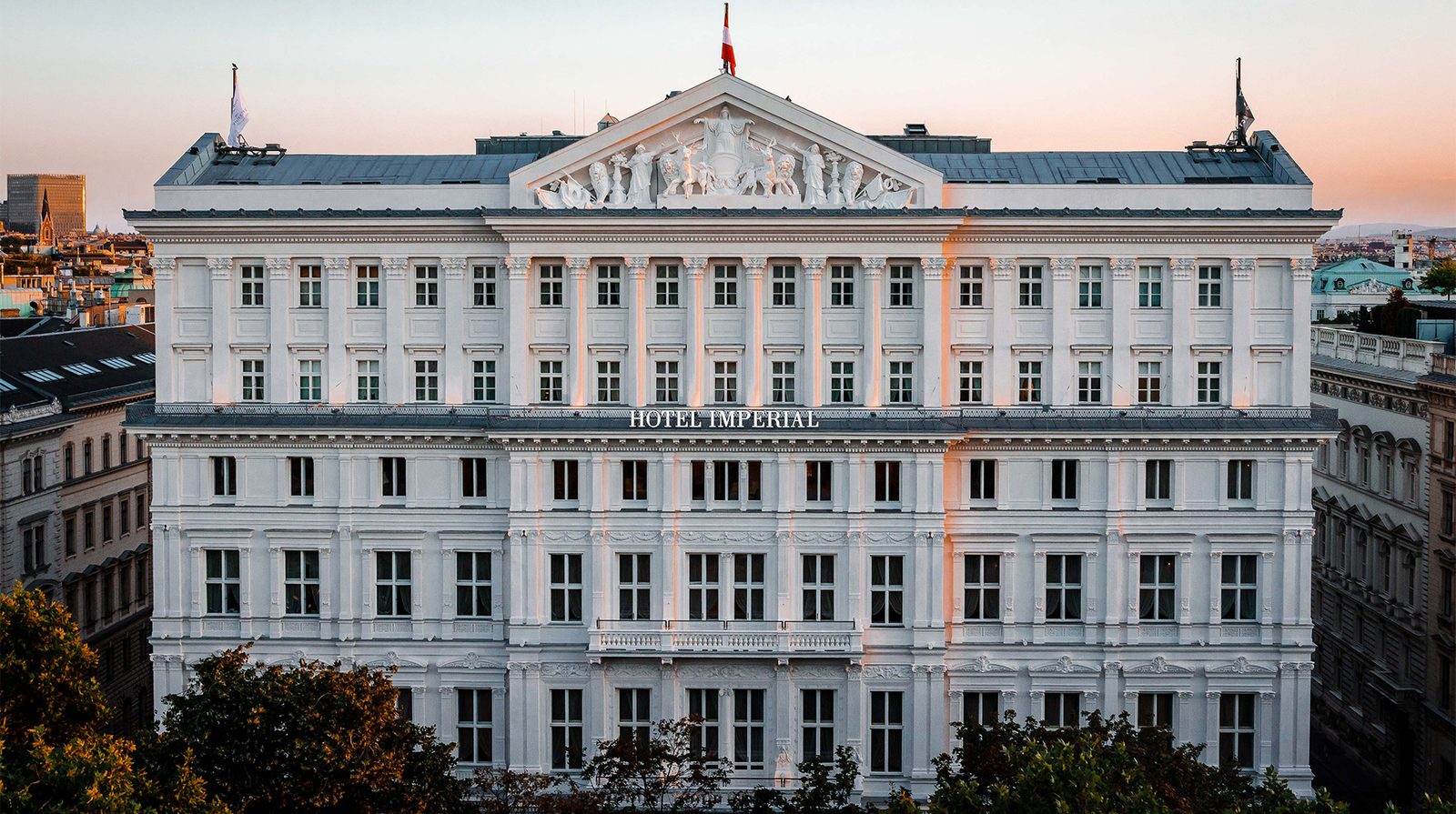
Built in 1863 as the Prince of Württemberg's Vienna residence and converted to a hotel a decade later, the Imperial sits directly on the Ringstrasse, a wedding-cake palace of marble, silk walls and Habsburg portraits. The 138 rooms occupy a property where the public spaces have been restored to their 19th-century state: a Renaissance-chapel-sized lobby, a royal staircase guarded by Franz Joseph in oils, 14 chandeliers at the entrance. Opus handles ambitious Austrian cooking from Werner Pichlmaier; the Thirties-era Imperial Café serves one of Vienna's best schnitzels; the Imperial Bar pours The Kiss with 23-carat gold dust. A small army of blue-uniformed bellhops, led by a concierge of 35 years' standing, runs the floor.
Who's it for
Best for:
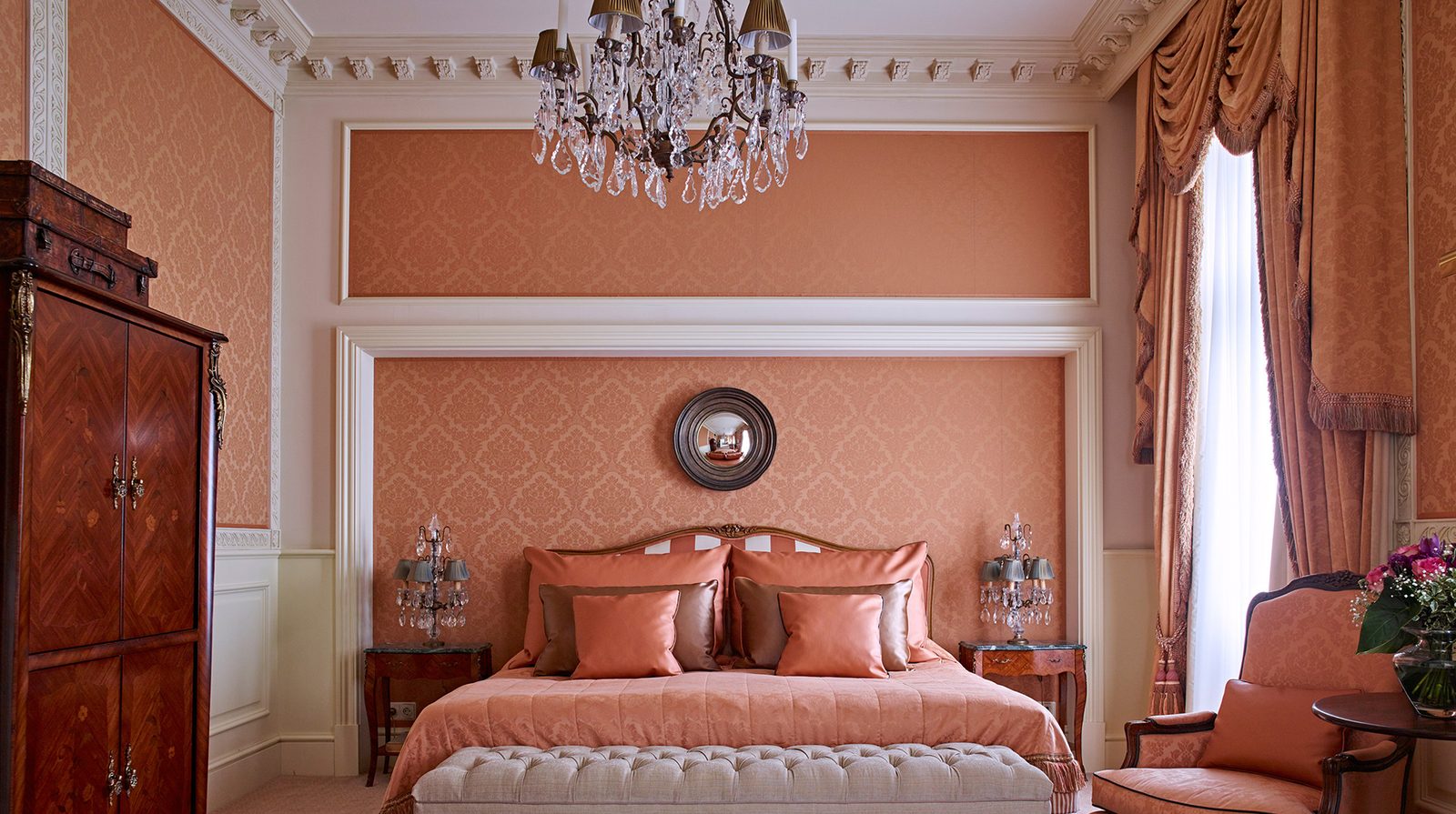
Travellers who want full-throttle Habsburg theatre: chintz, flock wallpaper, crystal, liveried footmen, ironed newspapers and shoes polished to parade-ground gloss. Ideal for opera and concert-goers (the Musikverein is next door via a partially covered walkway), ball-season visitors November to February, and anyone who treats a hotel stay as a piece of historical immersion.
Should look elsewhere:
Design-minded guests drawn to Vienna's newer boutique and contemporary five-star scene (Rosewood, Park Hyatt, Motto) will find this resolutely old-school and maximalist. Anyone allergic to chintz, or wanting a spa-led wellness stay, should book elsewhere; the property leans heritage, not wellness.
Bottom line
What you're paying for here is theatre and continuity: a genuinely transportive 19th-century interior, archival depth (head archivist Michael Moser conducts historic tours), and service from staff measured in decades. Book a junior suite or higher for proper imperial scale, or a fifth-floor maisonette for Karlsplatz views from a private balcony. Time a visit to ball season if you can secure rooms early.
Location
What this place offers
- Bar
- Meeting rooms
- Restaurants
- Wi-Fi
- Wi-Fi in public areas
- Public internet workstation
- Restaurant
- Table service
- Room service
- Breakfast