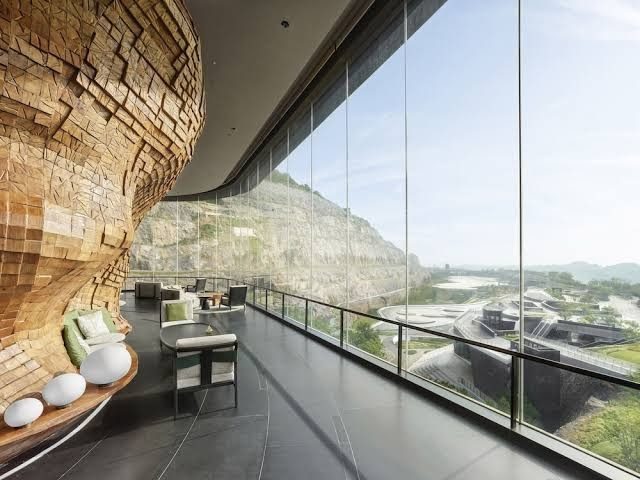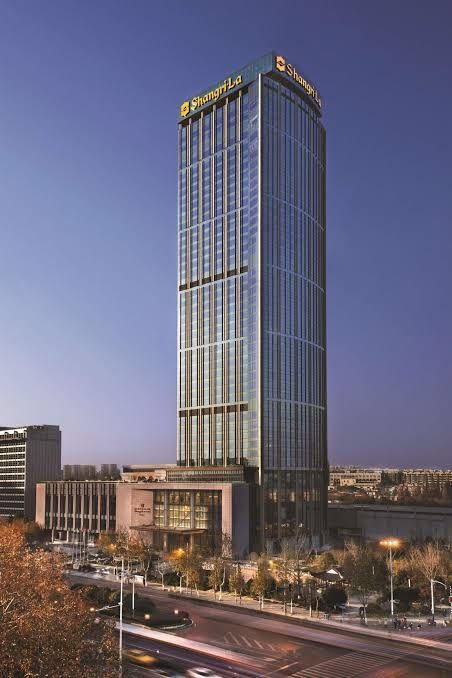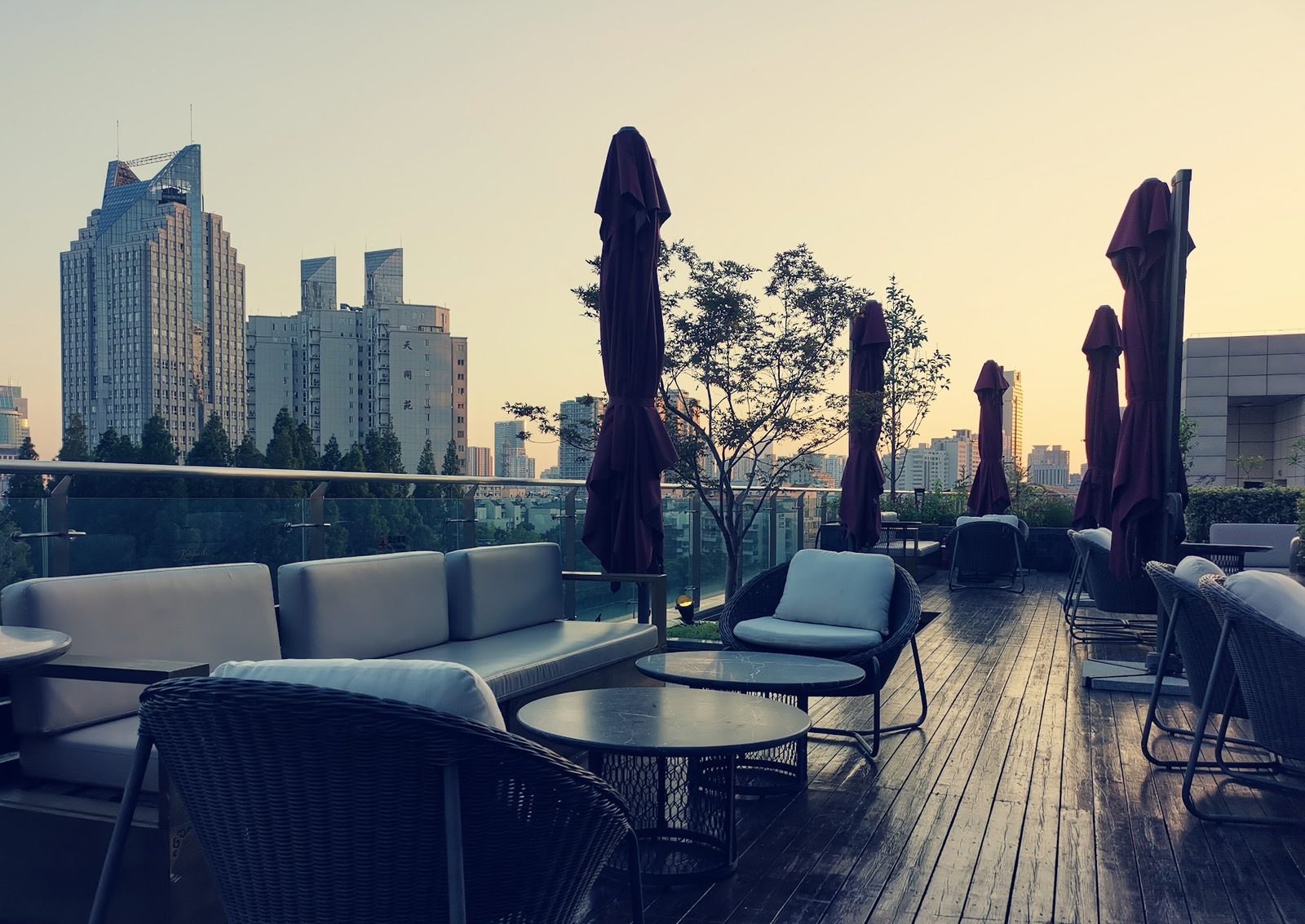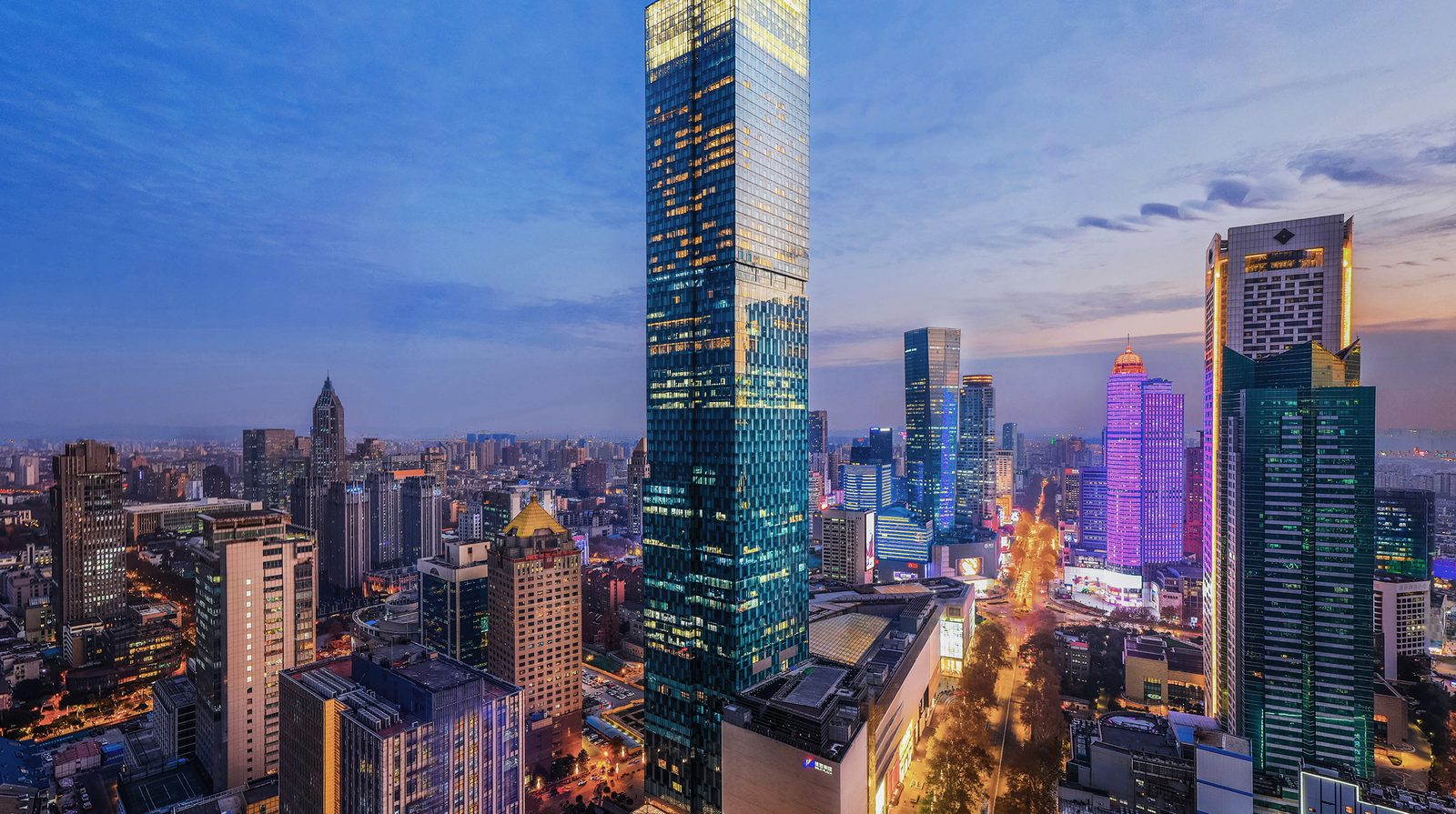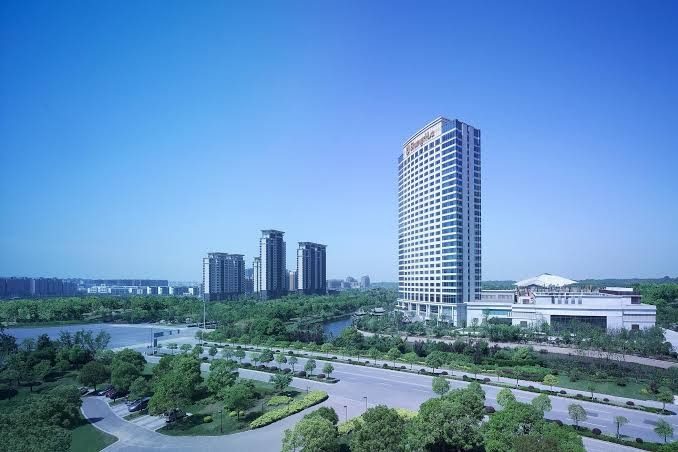
A 26-storey lakeside property in Yangzhou's western New District, the Shangri-La Yangzhou opened in 2012 and remains the city's default choice for a recognized international luxury brand. It serves business travelers, tour groups, wedding parties, and domestic families more than international leisure guests. Compared to newer Chinese luxury openings in nearby Nanjing or Suzhou — where competitors like the Park Hyatt or Shangri-La's own Suzhou property set the bar — the Shangri-La Yangzhou trades on warmth and consistency rather than cutting-edge design.
Domestic family trips, wedding-party stays, business travelers attending events at the adjacent stadium or convention venues, and anyone prioritizing warm, name-you-by-sight service over design newness. Also a sound pick for a Yangzhou weekend if you have a car or are happy to taxi to the old town.
You expect contemporary design, fully enforced non-smoking policies, and seamless English-language service across every department — the Shangri-La Yangzhou will feel dated and inconsistent. Skip it too if you want to walk to Slender West Lake or the historic streets, since the location simply doesn't support that.
The strongest part of the experience by a wide margin. Housekeeping and front-of-house staff are repeatedly singled out by name for proactive, personalized gestures — welcome fruit, ginger tea after a marathon, sewing a missing button, helping with luggage. English proficiency varies; some staff are fluent, others limited.
Mixed. The breakfast buffet covers both Chinese and Western options and pleases most, but service can be slow, refills sluggish, and Western dishes inconsistent. The Chinese restaurant Shang Palace draws genuine praise for Huaiyang cuisine; the lobby bar and room service underwhelm.
Spacious and well-maintained day-to-day, but the property is showing its age. Carpets, grout, and cabinetry are worn in places, smart-room features are absent, and a few rooms carry residual cigarette odor despite the non-smoking policy. Lake-view rooms on higher floors are the ones to book.
Quiet and lakeside, next to Yangzhou Museum, Mingyue Lake, and the Jinghua City mall (10–15 minutes on foot). The trade-off: Slender West Lake, Dongguan Street, and Ge Garden are all a 15–25 minute taxi ride away. Not ideal without a car or willingness to cab.
Strong on rate. Room rates routinely undercut comparable Shangri-La properties in tier-one cities, and the brand-for-price equation is favorable if you accept the dated hardware.
Classic Chinese luxury — landscaped garden ("Liu Yuan"), grand lobby, traditional interiors. Elegant rather than current. The atmosphere skews toward groups, weddings, and conferences, which can mean noisy public spaces during peak periods.
The strongest part of the experience by a wide margin. Housekeeping and front-of-house staff are repeatedly singled out by name for proactive, personalized gestures — welcome fruit, ginger tea after a marathon, sewing a missing button, helping with luggage. English proficiency varies; some staff are fluent, others limited.
Mixed. The breakfast buffet covers both Chinese and Western options and pleases most, but service can be slow, refills sluggish, and Western dishes inconsistent. The Chinese restaurant Shang Palace draws genuine praise for Huaiyang cuisine; the lobby bar and room service underwhelm.
Spacious and well-maintained day-to-day, but the property is showing its age. Carpets, grout, and cabinetry are worn in places, smart-room features are absent, and a few rooms carry residual cigarette odor despite the non-smoking policy. Lake-view rooms on higher floors are the ones to book.
Quiet and lakeside, next to Yangzhou Museum, Mingyue Lake, and the Jinghua City mall (10–15 minutes on foot). The trade-off: Slender West Lake, Dongguan Street, and Ge Garden are all a 15–25 minute taxi ride away. Not ideal without a car or willingness to cab.
Strong on rate. Room rates routinely undercut comparable Shangri-La properties in tier-one cities, and the brand-for-price equation is favorable if you accept the dated hardware.
Classic Chinese luxury — landscaped garden ("Liu Yuan"), grand lobby, traditional interiors. Elegant rather than current. The atmosphere skews toward groups, weddings, and conferences, which can mean noisy public spaces during peak periods.