Castelfalfi
Tuscany · Italy
Prices
Next 365 nights · updated daily
Daily price line
Hover any point for the rate
Calendar heatmap
Hover any day for its rate
Reviews
Character and identity
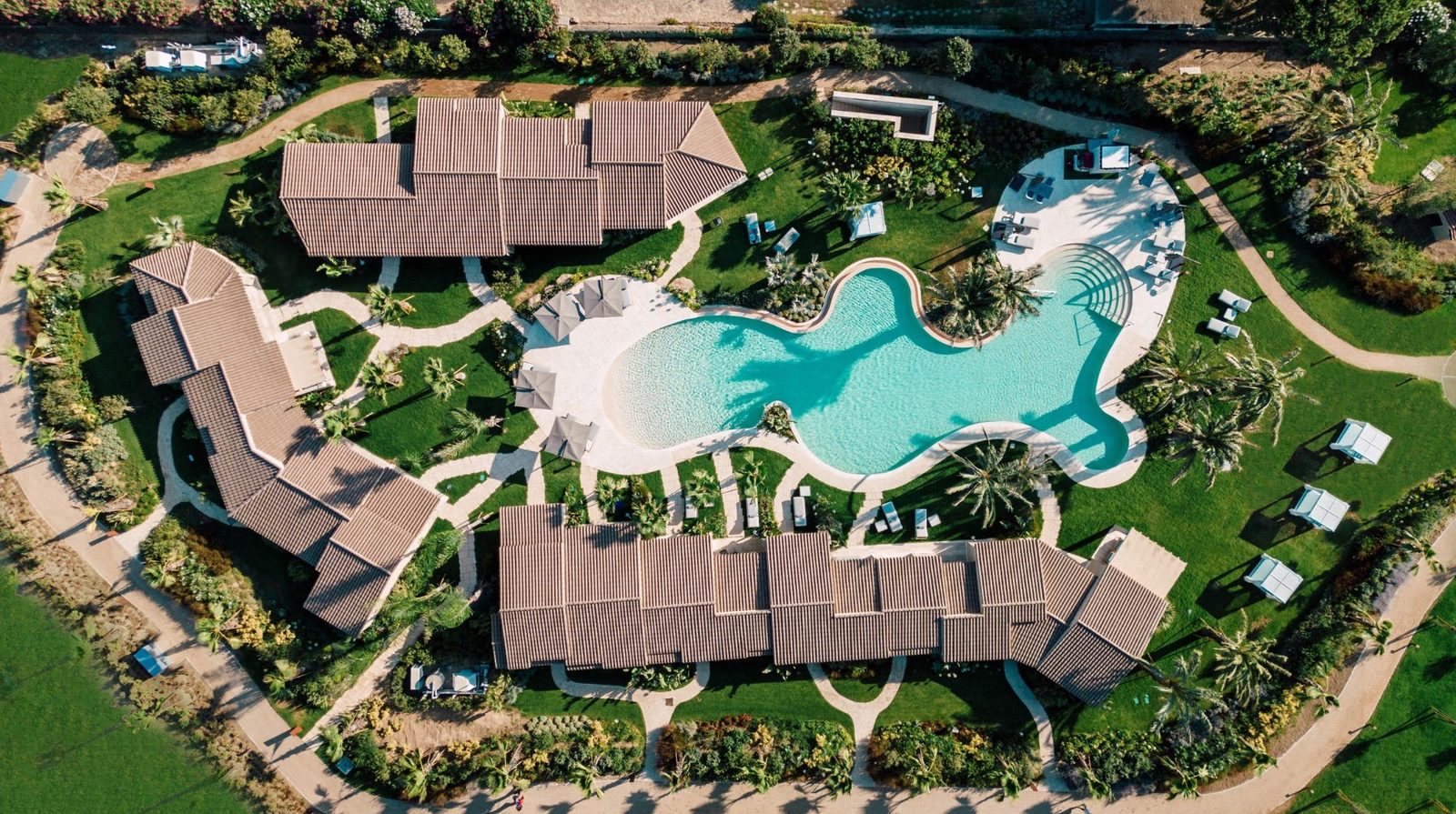
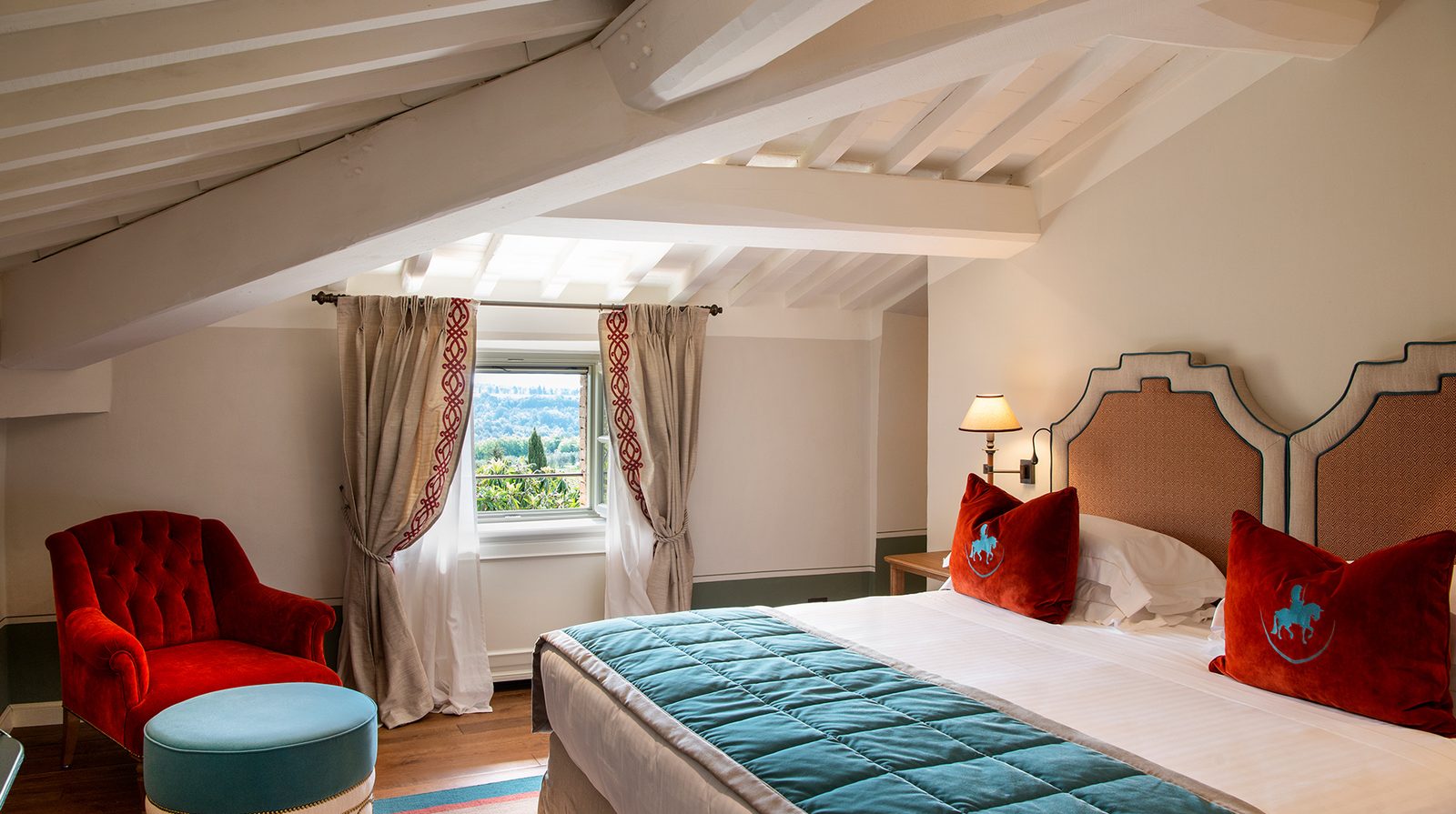
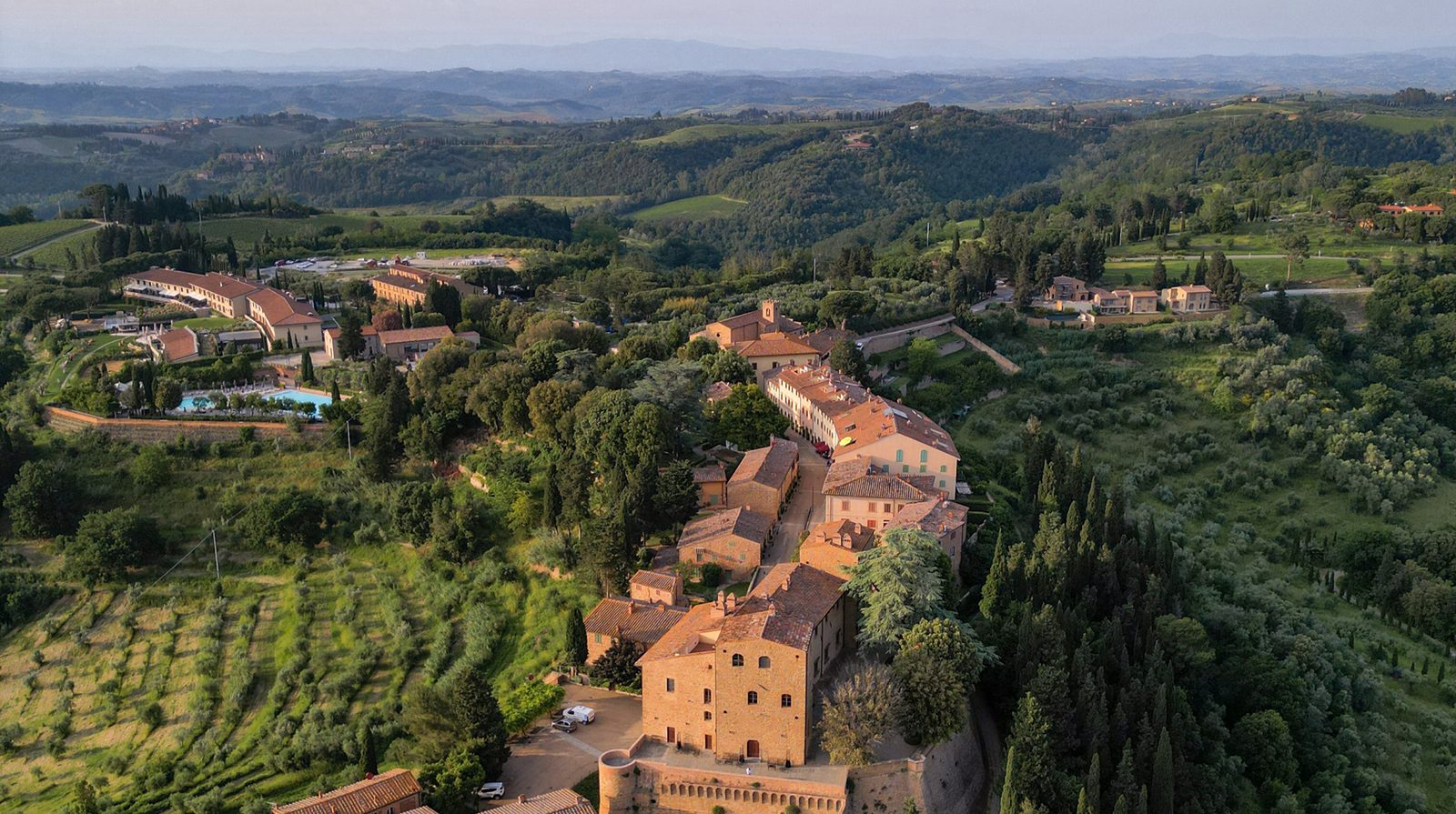
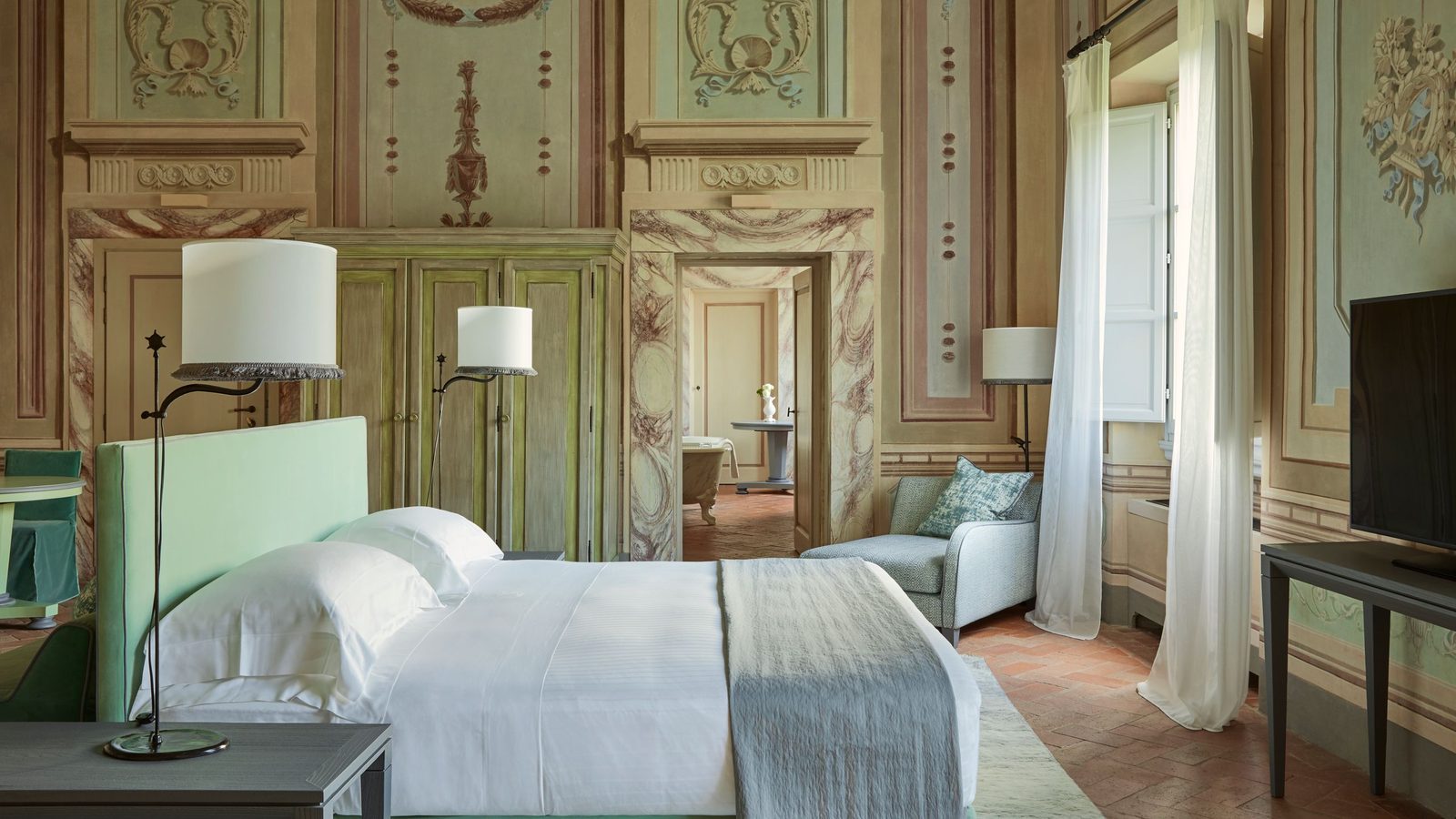
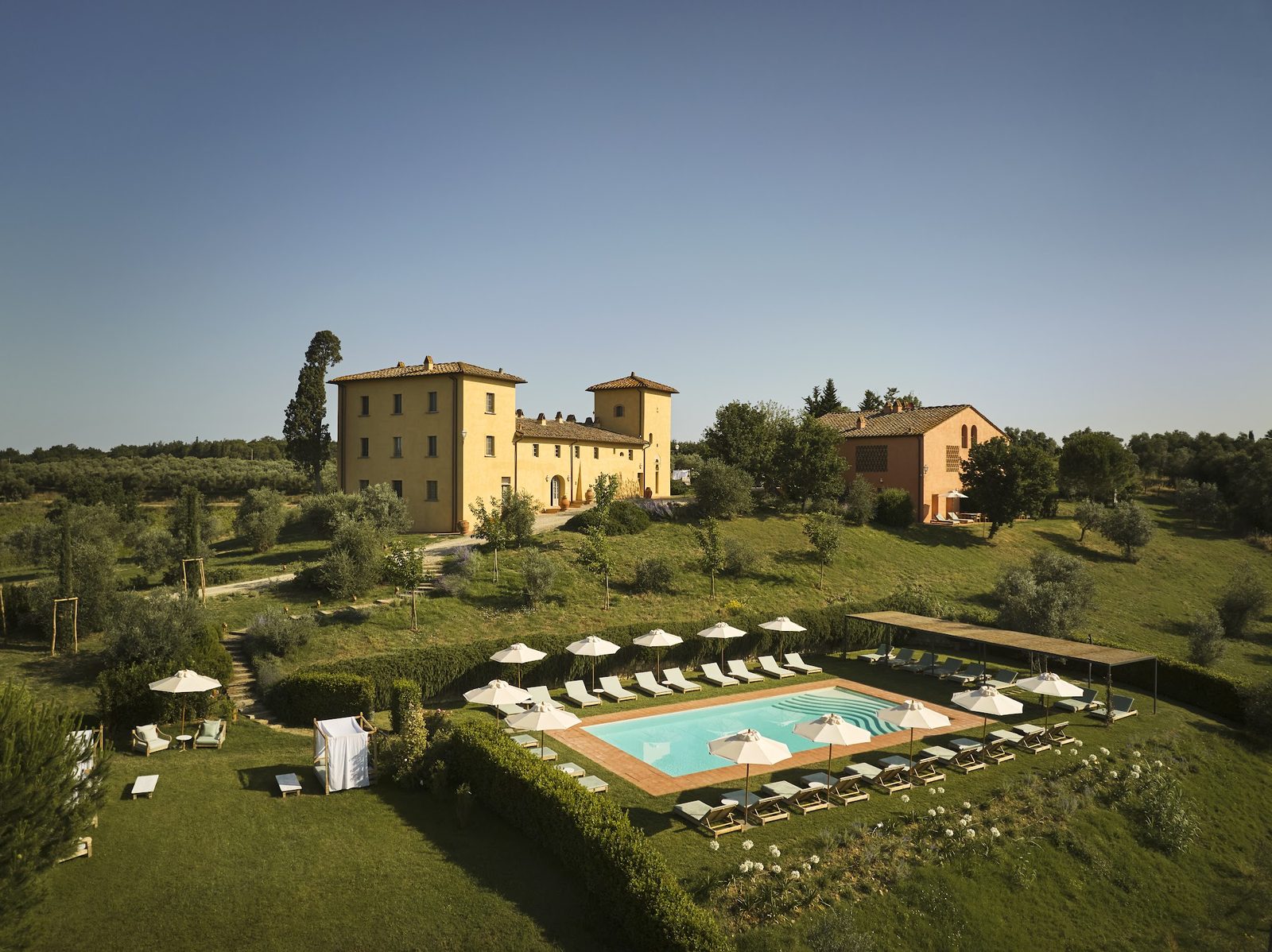
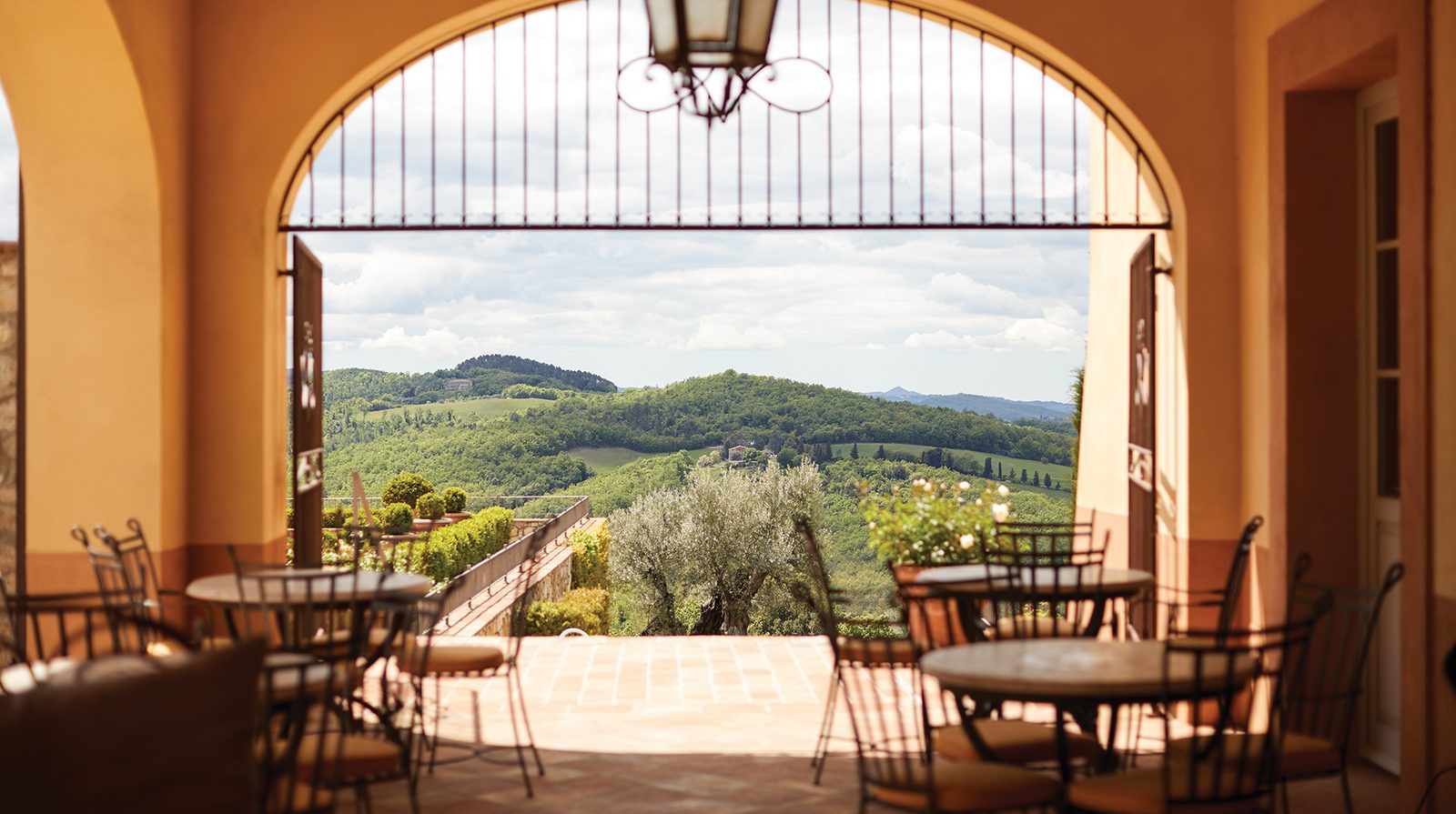
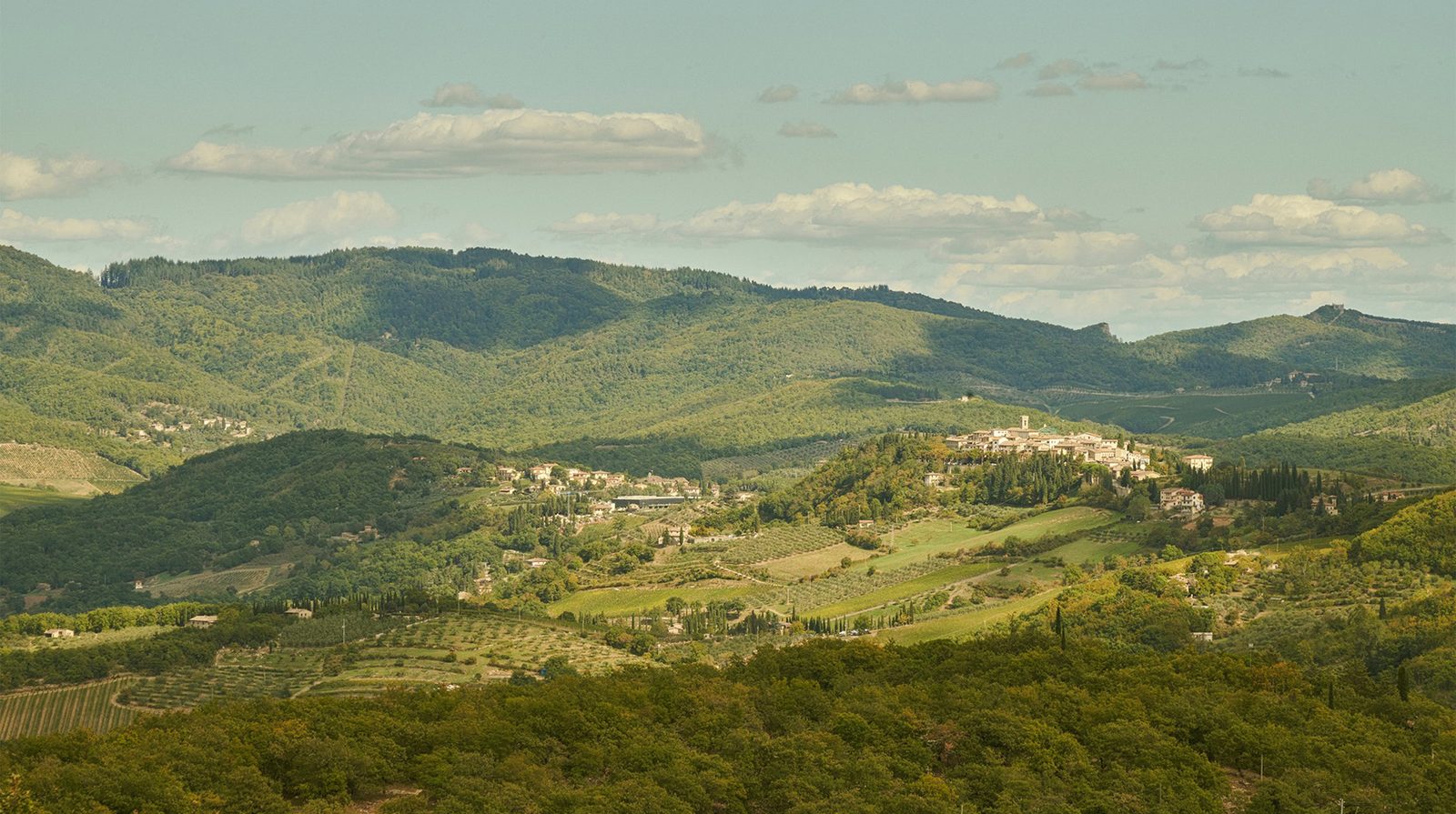
Castelfalfi occupies an entire medieval hilltop village on a 2,700-acre working estate, with a cobbled main street running from an 11th-century castle past a 15th-century church to two hotels: a 19th-century tobacco warehouse with 31 beamed rooms and an 80s-built main building housing 115 contemporary rooms plus suites, with seven converted farmhouse villas scattered across the land. Caberon Caroppi has reworked interiors in earthy palettes, velvet, leather and Bisazza mosaics. Six restaurants, a 1,500sqm RAKxa medi-spa, 27 holes of golf and around 40 organised activities anchor the offer. Service, set by GM Roberto Protezione and guest relations veteran Benjamin Bowen, is warm and quietly omnipresent.
Who's it for
Best for:
Couples and families willing to spend serious money on a self-contained Tuscan estate stay. Golfers, wine and olive oil enthusiasts, design-minded travellers and parents of three to 12-year-olds (the kids' club, falconry, woodland adventure park and truffle hunts are exceptional) will find this hits every mark, especially across a four or five-night stay.
Should look elsewhere:
Anyone wanting walkable town life, beach access or quick city escapes will feel the isolation; Florence and the coast are an hour away. Bill-sensitive travellers should think twice, as activities, dining and spa add up sharply. The spa's medical-grade angle won't suit guests after a simple, sensual treatment.
Bottom line
What you're paying for is a whole village run as one resort, with the estate's own wines, oils and produce flowing through farm-to-table kitchens and a programme deep enough to fill four or five days without leaving. The price is steep and the location genuinely remote, so commit to a longer stay. Book a patio suite in the main hotel, or a farmhouse villa if you want privacy over proximity to the borgo.
Location
What this place offers
- Babysitting services
- Bar
- Fitness classes
- Golf
- Gym
- Indoor pool
- Meeting rooms
- Outdoor pool
- Pet friendly
- Restaurants